
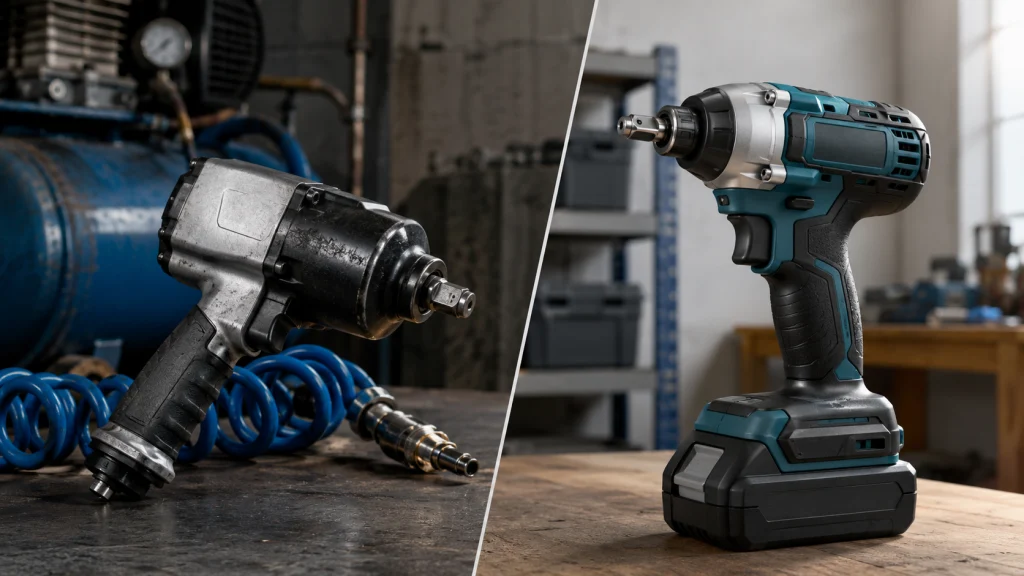
Choosing between pneumatic and electric tools can directly affect efficiency, cost, and performance. While pneumatic tools are known for their power and durability, electric tools have evolved to offer greater convenience and precision. The right choice depends on your application, work environment, and usage demands.
This guide compares pneumatic and electric tools across key factors such as performance, cost, maintenance, and safety—helping you determine which option best fits your needs.
- 1 Key Differences Between Pneumatic and Electric Tools Core technology and operation
- 2 Power and Performance Torque, output, and efficiency
- 3 Cost Considerations Upfront vs long-term expenses
- 4 Maintenance, Durability, and Reliability Service life and upkeep
- 5 Safety, Ergonomics, and Ease of Use Operator comfort and protection
- 6 How to Choose the Right Tool for Your Application Final selection guidance
- 7 Conclusion Summary and key takeaways
Key Differences Between Pneumatic and Electric Tools
Pneumatic and electric tools differ primarily in how they generate and deliver power. Pneumatic tools operate using compressed air supplied by an external air compressor, making them lightweight and capable of delivering consistent power in demanding environments. Electric tools rely on electricity—either through a corded connection or rechargeable batteries—offering greater portability and ease of setup. These differences influence not only performance, but also factors such as installation requirements, operating costs, and suitability for specific work conditions. Understanding these core distinctions is the foundation for choosing the right tool for your application.
Power and Performance: Which Tool Delivers Better Results?
Power and performance are often the deciding factors when comparing pneumatic and electric tools. Pneumatic tools are well known for delivering high torque and maintaining consistent performance during extended, repetitive use, particularly in industrial settings. For applications that require precise fastening or continuous output, tools such as pneumatic torque wrenches provide reliable and repeatable results. To explore this further, you can read our blog on pneumatic torque wrenches and how they work. Electric tools, however, have advanced significantly in motor and battery technology, offering strong performance along with improved speed control and precision for a wide range of tasks.
Cost Considerations: Initial Investment vs Long-Term Expenses
Cost is an important factor when choosing between pneumatic and electric tools, and it extends beyond the initial purchase price. Pneumatic tools are often less expensive upfront, but they require an air compressor and supporting infrastructure, which can increase overall investment. Electric tools may have a higher initial cost, particularly for professional-grade or battery-powered models, but they typically involve fewer setup requirements. Over the long term, expenses such as energy consumption, maintenance, and replacement parts should be considered to accurately evaluate the total cost of ownership for each option.
Maintenance, Durability, and Reliability
Maintenance requirements and long-term durability can significantly impact tool performance over time. Pneumatic tools generally feature simple mechanical designs that can withstand harsh environments, but their reliability depends heavily on air quality. Proper air preparation, including filtration and moisture removal, plays a key role in extending tool life. For a deeper understanding, you can read our blog on why clean compressed air matters for industrial tools. Electric tools contain more electronic components, making regular inspection and proper handling important to ensure dependable performance and longevity.
Safety, Ergonomics, and Ease of Use
Safety and ease of use are essential considerations in any work environment. Pneumatic tools are often lighter and generate less heat during operation, which can reduce user fatigue during extended use. However, they require proper air pressure control and hose management to maintain safe operation. Electric tools are designed with a wide range of built-in safety features, such as overload protection and variable speed controls, and are typically easier to operate with minimal setup. Ergonomic design, operator training, and workplace conditions all play a role in determining which option offers the safest and most comfortable experience.
How to Choose the Right Tool for Your Application
Choosing the right tool ultimately depends on your specific application, work environment, and operational priorities. Factors such as required power, frequency of use, available infrastructure, and budget should all be evaluated before making a decision. Pneumatic tools may be better suited for high-demand, continuous operations, while electric tools often provide greater flexibility and convenience for lighter or more variable tasks. By assessing these considerations carefully, you can select a tool solution that delivers reliable performance, long-term value, and efficiency for your application.
explore our range of pneumatic tools
Conclusion
Both pneumatic and electric tools offer clear advantages, and there is no one-size-fits-all solution. The right choice depends on how the tool will be used, the environment it will operate in, and the performance expectations of your application. By understanding the key differences in power, cost, maintenance, and usability, you can make a more informed decision that supports productivity and long-term efficiency. Selecting the right tool technology not only improves results but also helps optimize overall operations.